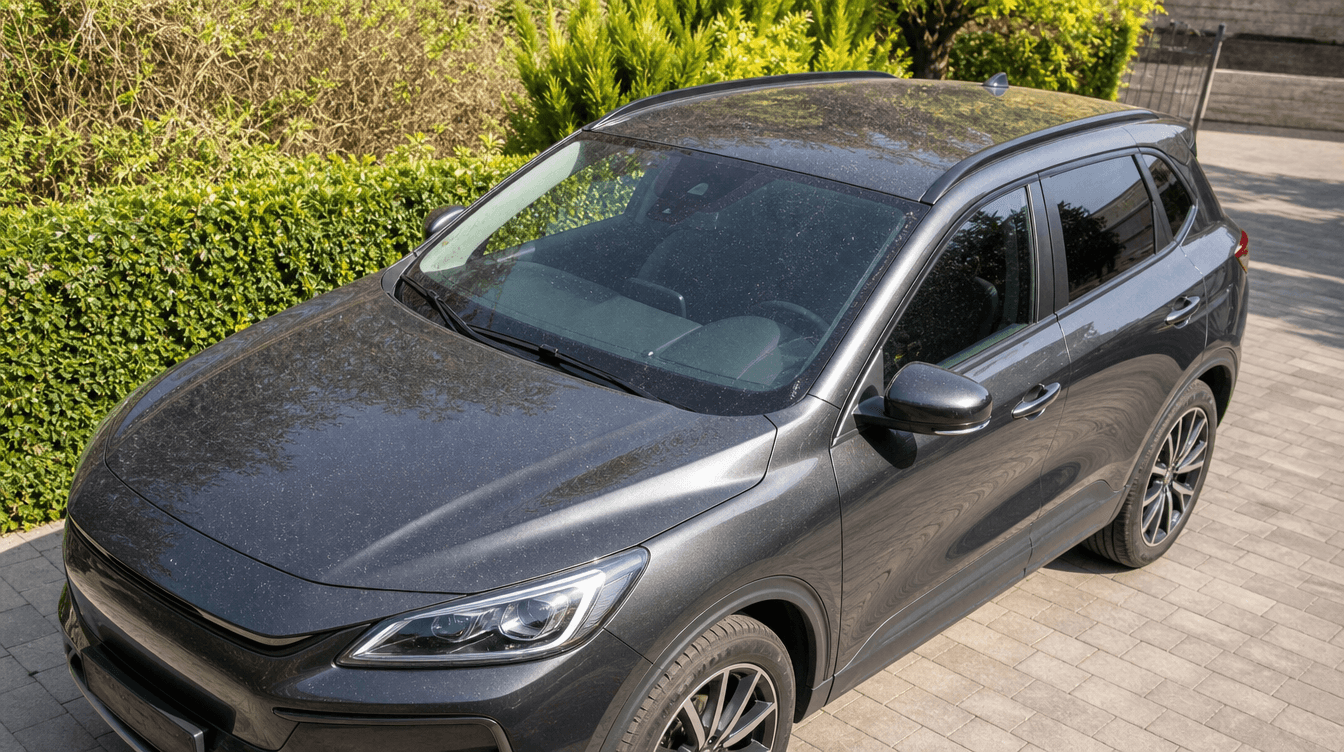
Spring means sunshine, rising temperatures — and a fine, yellowish layer on your hood, roof, and windshield. For many drivers, pollen is just an annoyance, but it's seriously underestimated. If you don't remove pollen from your car in time, you risk permanent paint damage. Here's how to do it right and what you can do to prevent it.
Why pollen is dangerous for your car's paint
At first glance, pollen looks harmless. But the tiny grains are coated in a sticky film and cling firmly to the paint. The real trouble starts with moisture: as soon as dew or rain softens the pollen grains, the organic acids inside react chemically with the clear coat. The result is etching marks and dull spots — the longer the pollen stays and the stronger the sun beats down, the deeper the damage goes.
Vehicles parked under trees are especially at risk. In Germany, pollen levels peak from February to June — the most critical time of year for any car's paint.
What to avoid when removing pollen
- Wiping dry: Dragging pollen across the paint with a dry cloth grinds sharp-edged particles right into the surface — leaving micro-scratches that show up as a haze in sunlight.
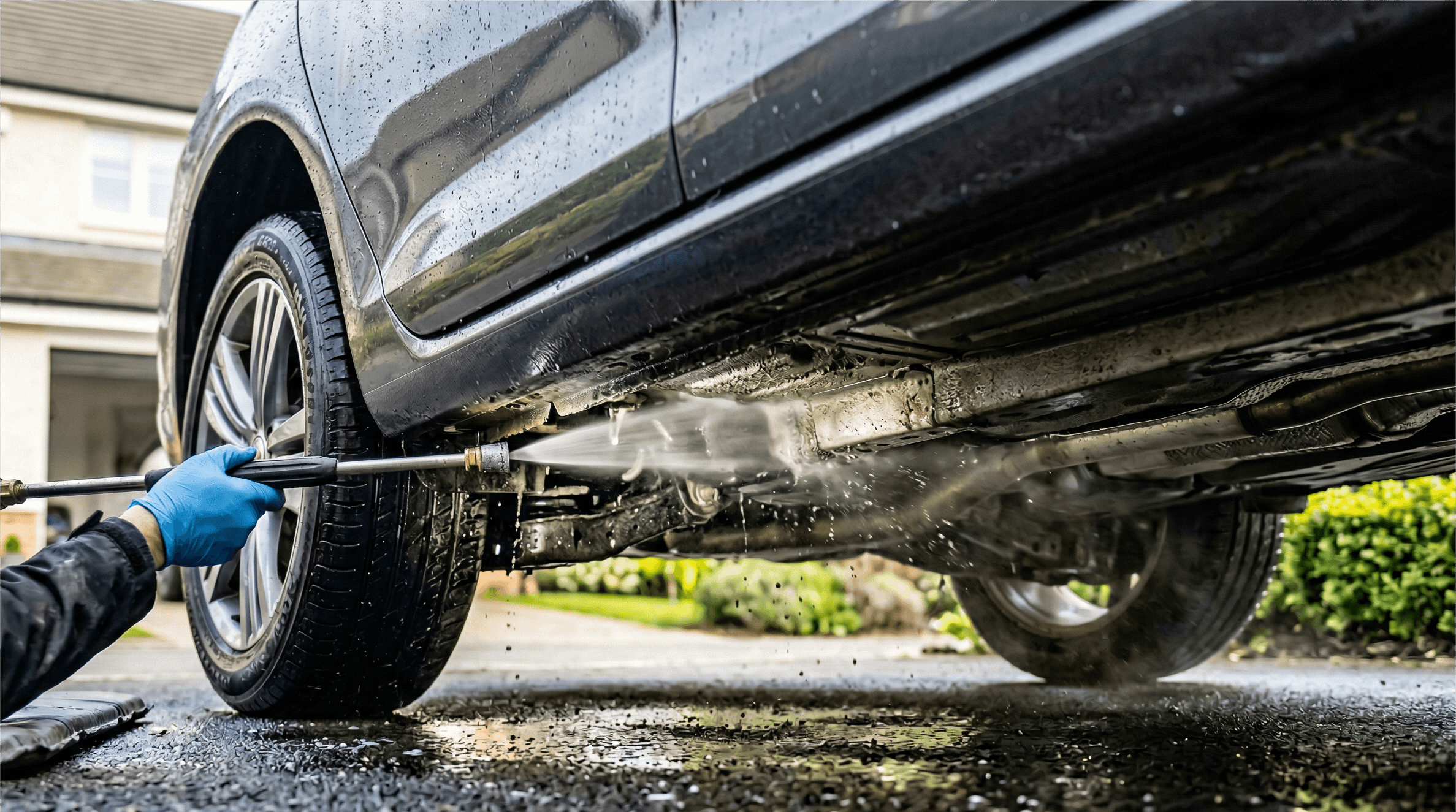
- Pressure washer without a pre-rinse: Without enough water, particles get rubbed in instead of rinsed off.
- The wrong cleaning products: Standard products without the right active ingredients often don't fully dissolve pollen — residue stays in the paint and keeps reacting.
- The rule: removing pollen from your car always starts with plenty of water — and the right product.
Step by step: how to remove pollen from your car the right way
With the right sequence, you protect your paint and get visible results.
- Pre-rinse: Rinse the entire vehicle generously with water to wash away as many pollen particles as possible.
- Wash: Apply a high-quality car shampoo and work from top to bottom with a soft microfiber wash mitt. Rinse the mitt regularly so dirt particles don't end up back on the paint.
- Rinse thoroughly: Pay special attention to seams, wiper blades, and side mirrors — pollen loves to collect there.
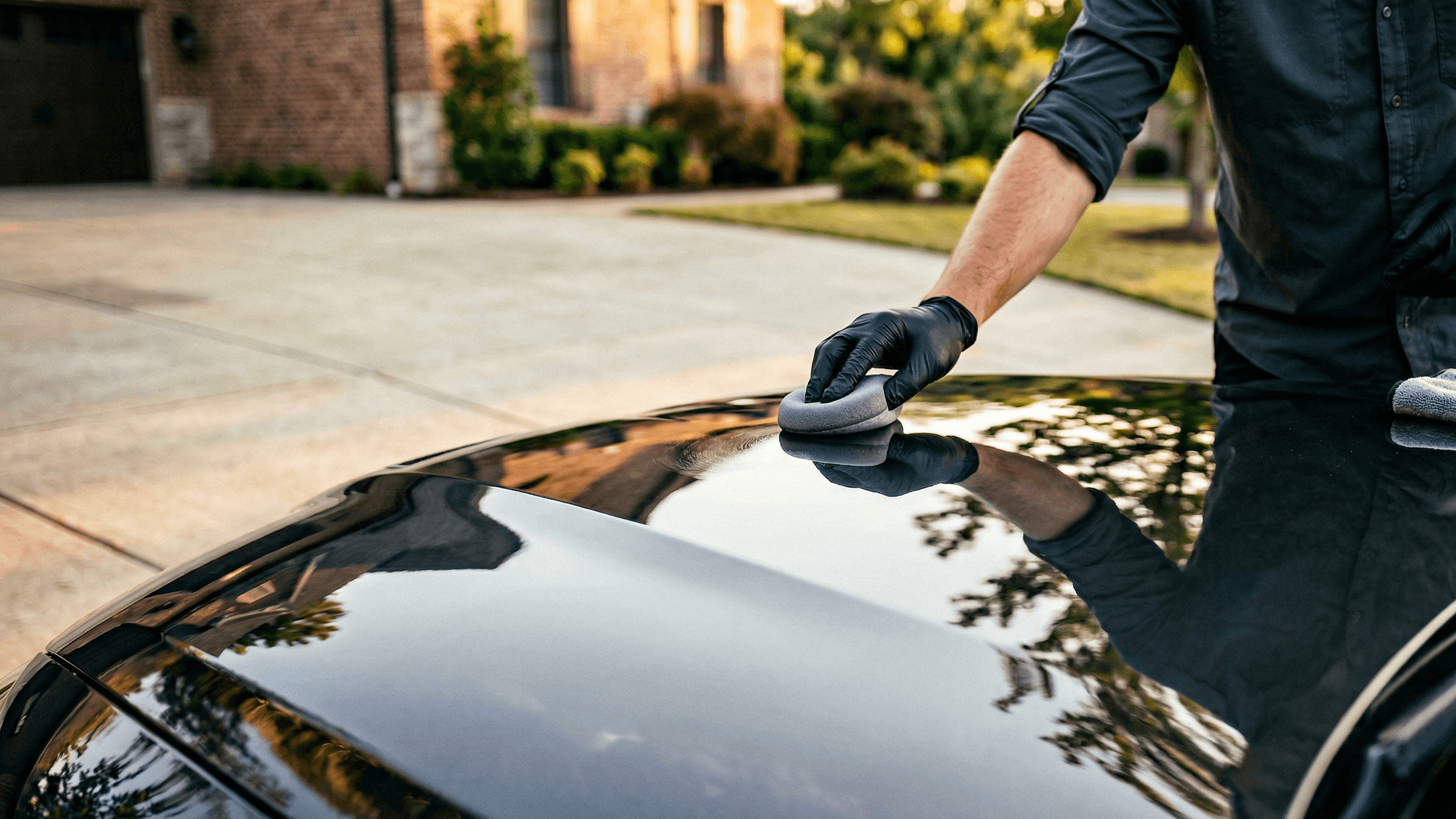
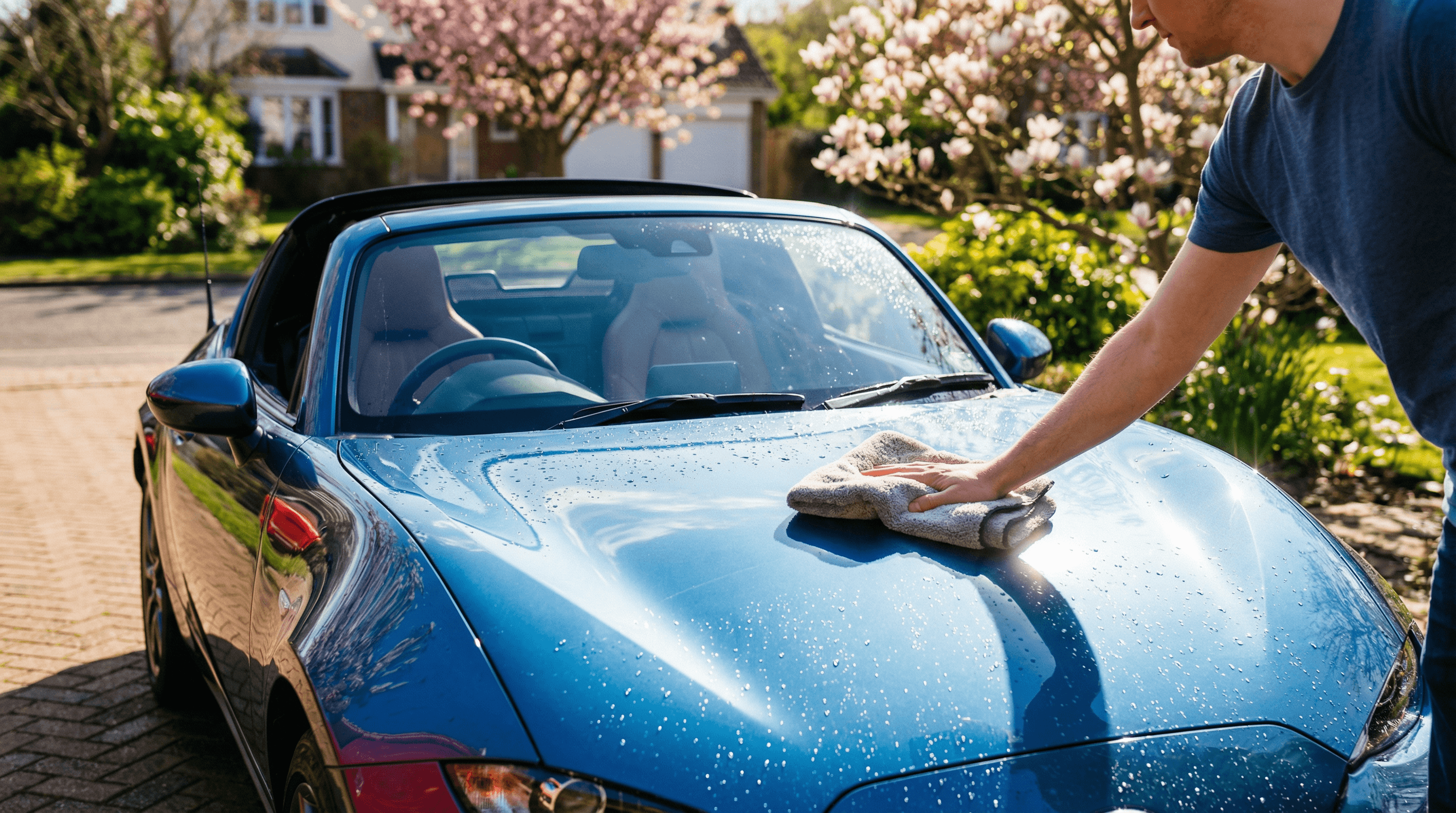
- Dry and seal: Dry the paint right away with a proper drying towel. Standing water reactivates organic residue. Right after, it's worth applying a sealant.
How to prevent pollen damage
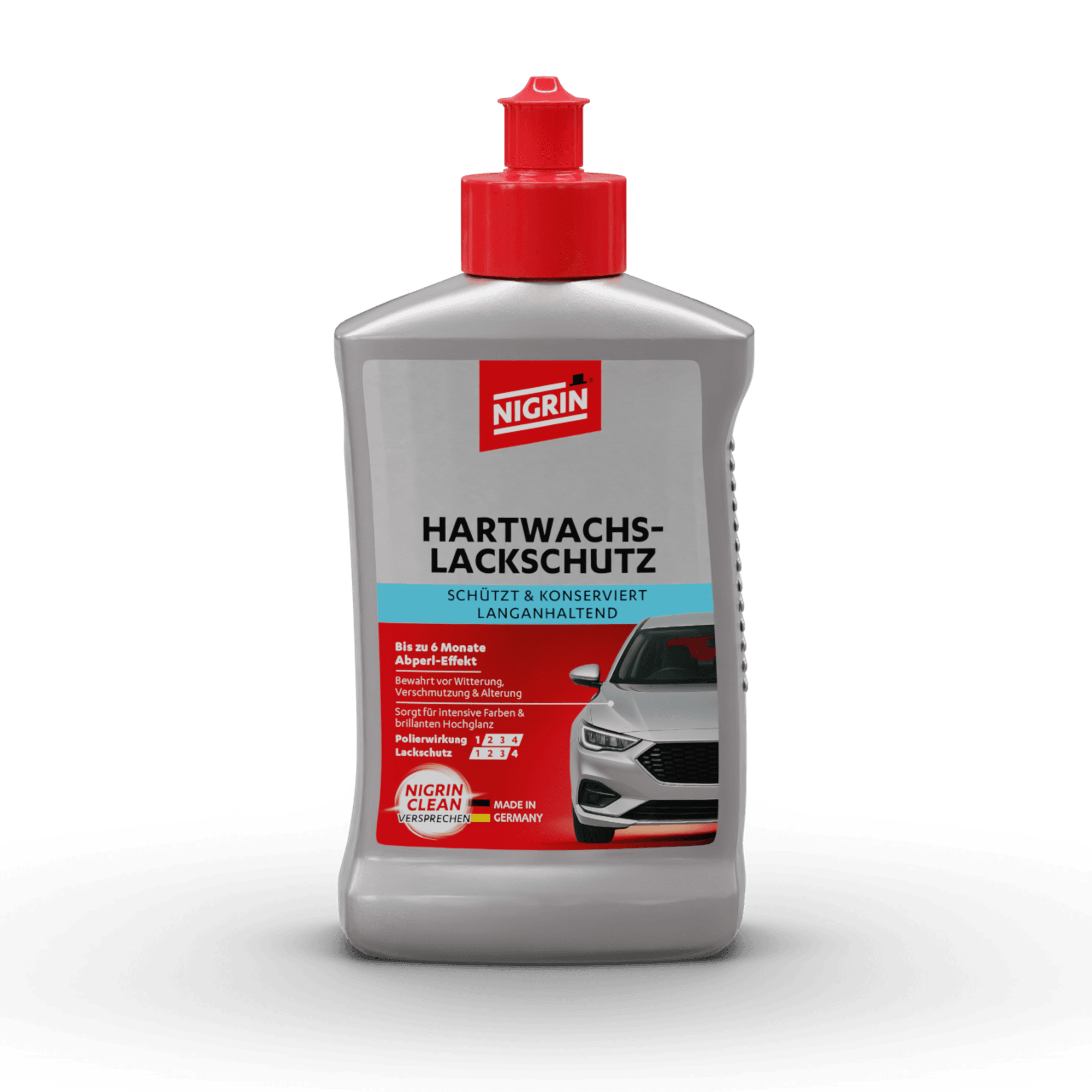
When it comes to car paint, prevention is always more efficient than damage control. The most effective protection is a high-quality paint sealant: it lays a protective layer over the clear coat, so pollen, bird droppings, and other organic substances can't make direct contact with the paint.
Simple habits help too: park in a garage or under a carport when possible, wash the car every three to five days during peak pollen season, and actively wash the car instead of waiting for rain — because rain activates the reactive components in pollen grains rather than neutralizing them.
When the damage is already done
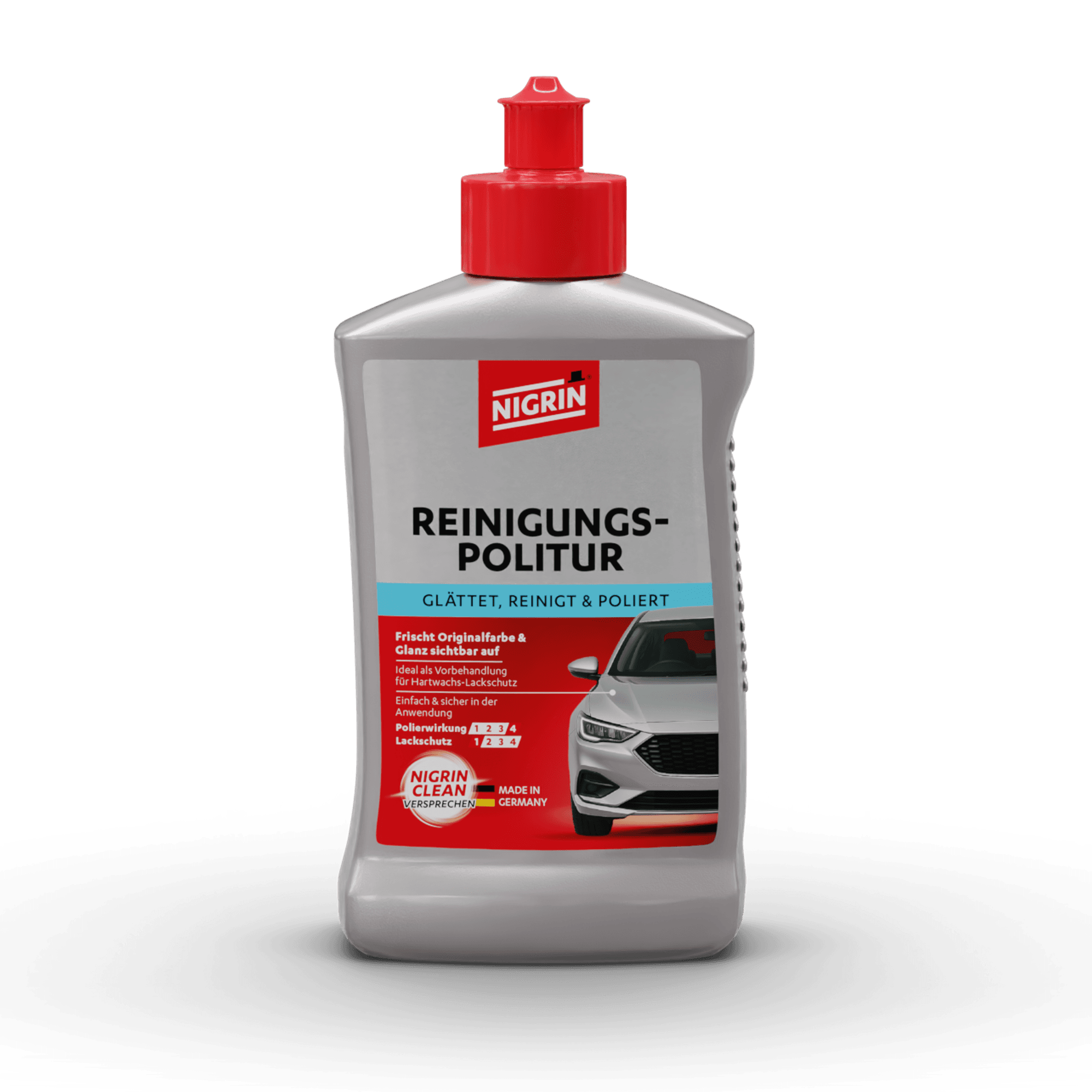
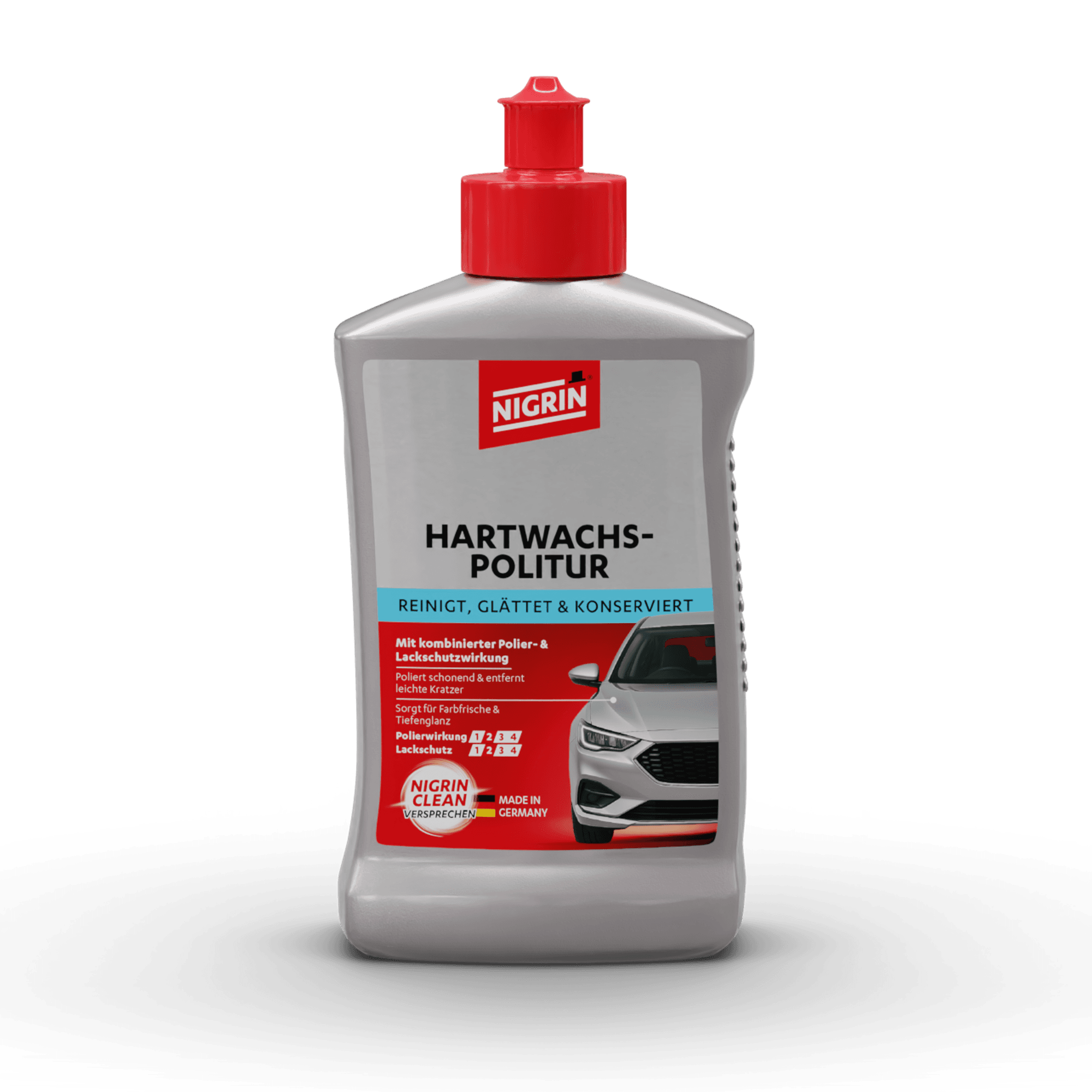
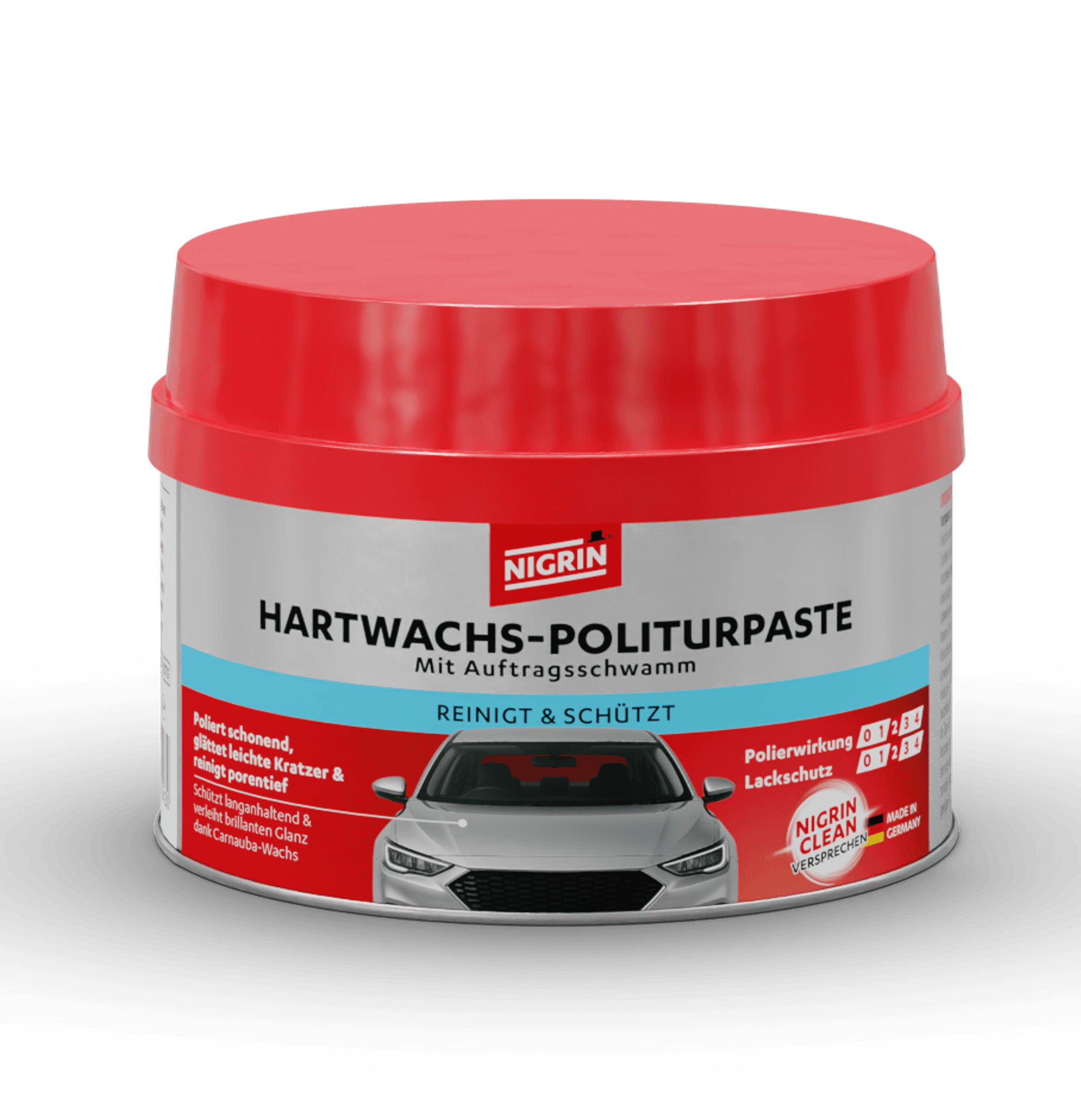
Dull spots and shallow etching marks that only affected the clear coat can often still be fixed by polishing. Polishes deliver measurable results here and protect the paint right after. Important: always apply a sealant after polishing — polishing opens up the surface, and without protection, it's especially vulnerable to new damage.